The Ohio Medicaid Program “was a mess” – Are They Fixing It?
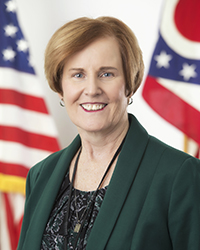
Earlier this week, Ohio Department of Medicaid Director Maureen Corcoran sent a memo that was titled “2019 Year End Summary” to her boss, Ohio Governor Mike DeWine.
- Ohio Medicaid Director Blasts Kasich Administration For Leaving Behind Big Problems – Statehouse News Bureau – https://www.statenews.org/post/ohio-medicaid-director-blasts-kasich-administration-leaving-behind-big-problems
- Ohio Medicaid Director Said DeWine Administration inherited “mess” – Dayton Daily News – https://www.daytondailynews.com/news/local/ohio-medicaid-director-said-dewine-administration-inherited-mess/aiX56ypkH6VpL6QYnWjTWP/
The memo (full text here) outlines a series of challenges that the previous Governor’s administration left behind for DeWine and Corcoran to fix. Most of these challenges were well known within the state, but seeing them assembled in this way is jarring and shows some real failures on the part of the previous administration. And the current administration should be applauded for its transparency. With transparency also comes the opportunity to use exactly these metrics to hold the current team accountable to improvement.
Director Corcoran reserves most of her most pointed commentary for the behavioral health redesign. Having been through the changes, working with several providers in Ohio, there could be disagreements on several of the points made about the implementation of the redesign. There is a share of the lack of preparation that falls on the providers that she seems to ignore.
Many, many providers in Ohio pretended the changes were never going to happen or fought tooth and nail to delay them for as long as possible. When they actually did occur, they had not made the system or operational changes needed to be a part of the new delivery system. While there is certainly plenty of blame to place on ODM and the MCO’s for not adequately testing systems, there was also deep resistance from many providers to participate in the testing that was made available prior to the changes.
The provider agencies that went out of business were those who refused to acknowledge the position they were in in time to be offered assistance. The ADAMH boards, ODM and the Ohio Mental Health and Addiction Services Department all showed a willingness and ability to prop up providers in need when they asked. Fear of looking like they didn’t know what they were doing is what drove the providers who did close to not raise their hands until it was too late, if they did at all.
The noncompliance with the Institutions of Mental Disease (IMD) exclusion requirements is also glossed over a bit here. While the approval of a Medicaid 1115 demonstration waiver addresses the problem going forward, the state and CMS have not yet addressed the period of time when ODM was paying for services in IMDs (treatment facilities over 16 beds) but was not authorized to do so. The state clearly took responsibility for allowing this by the guidance they gave providers at the time. Won’t the state have to negotiate some kind of settlement for those unallowable claims?
Returning to the totality of the issues addressed by this memo, we should get a follow up on all of these items at the end of 2020 and be able to measure the progress that has been made. Many of these challenges will not be easy to fix, but neither can they afford to be ignored for another year.
Metrics for Ohio Department of Medicaid in 2020
- Payment Error Rate Measurement Audit – Next audit cycle, how much is Ohio’s error rate for eligibility determination reduced? The 2019 audit found a rate of 43.49%, double the national average of 20.6%.
- Audits and Internal Controls – Have duplicative capitation payments been recouped? Have corrective actions been taken on findings form the Group VIII Eligibility audit that is currently pending? Has ODM recovered managed care capitation payments for deceased beneficiaries? Has ODM recovered managed care capitation payments on behalf of members with concurrent eligibility in another state?
- Unaddressed Medicaid Caseload Backlog and Ohio Benefits – What is the current backlog?
- Ohio Benefits: Process and Information Technology Systems Defects – Where is ODM on its plan to correct the flawed system and what progress has been made in 2020?
- Managed Care: Capitation Rate Corrections – Has there been improvement in the ability to get actionable data in a more timely manner?
- Behavioral Health Redesign: Stabilization and Correction – Where are we at the end of 2020 on this work? (the centralized credentialing system go live already has had a hiccup just this week)
- Behavioral Health: Institutions for Mental Diseases Compliance and Financing – This is glossed over a bit in the memo – what is being done to deal with the IMD noncompliance prior to the approval of the waiver? Is there an anvil hanging over Ohio’s head that will require paybacks to the federal government?
- Nursing Home policy that creates significant financial burdens for future state budgets – What path forward has been established for nursing homes and what are the new expectations for rates?
- Medicaid Pharmacy Benefit Managers: Lack of Transparency, Accountability and Oversight – What is the status of the PBM at the end of 2020? What has happened to pharmacy costs as a result?
- Community Engagement and Work Requirements Waiver: Need for Transparency and Genuine Effort to Achieve Meaningful Employment – What has happened to the employment rate of people on Medicaid? What has happened to the enrollment numbers as a result of implementing work requirements?
- Inaction on Multi-System Youth, Custody Relinquishment and Other Children’s Behavioral Health Issues – What changes have been implemented as a result of the efforts around children at-risk for custody relinquishment?
Again, transparency is a great thing, but with greater transparency comes greater accountability for the items on which you choose to raise attention. The Ohio Department of Medicaid and other state agencies can always do better, but it is up to the stakeholders and the general public to hold them accountable to what they say they want to accomplish over the long haul of a gubernatorial term of office.